Residential Siding in Oklahoma City and Surrounding Areas
Siding Installation & Replacement for Oklahoma Homes
Siding should protect the walls beneath it, not just change how the house looks.
Siding is one of the most visible parts of your home, but appearance is only part of its job. The siding, trim, flashing, openings, corners, penetrations, and materials beneath the finished surface all have to work together.
8:12 Roofing & Exteriors helps Oklahoma City homeowners evaluate existing siding, compare repair and replacement options, choose approved products, and manage the project from the first conversation to the final review.
Clear options. Clear scope. No pressure.
Licensed by the Oklahoma Construction Industries Board
(CIB REG: 80007114)
Fully Insured
Veteran Operated
7-Year Workmanship Warranty on Qualifying Complete Roof Installations
Backed by Decades of Roofing and Construction Experience
Siding projects planned
around the complete exterior.
8:12 Roofing & Exteriors provides residential siding projects for Oklahoma City homeowners.
Available services may include:
Siding replacement.
Approved siding repair.
Vinyl siding.
Fiber-cement siding when offered.
Trim and accessory components included in the approved scope.
Siding coordinated with windows and doors.
Siding coordinated with roofing and gutters.
Storm-related siding restoration.
Related soffit or fascia work when included in the approved scope.
We help homeowners understand the existing condition, identify the goal of the project, compare repair and replacement paths, review approved product choices, select colors, profiles, and trim details, and understand the written scope. You will know how to prepare the property, stay informed during the project, review the finished work, and receive applicable warranty and project information.
The siding panel is only the visible layer.
A home's exterior wall may include several connected components. Depending on the home and approved project, those components may include framing, sheathing or another wall substrate, water-resistive materials, flashing, insulation, siding, trim, windows and doors, utility penetrations, roof-to-wall transitions, soffit and fascia, and sealants.
The siding is designed to shed weather and protect the layers behind it as part of a complete system. It should not be treated as the only line of defense against water.
Important Principle: A beautiful panel installed around poorly handled openings, flashing, or transitions is not a successful exterior project.
The panel is what you see. The system behind and around it is what makes the project work.
Start with what the siding is doing now.
Siding May Deserve Attention When:
Panels are cracked, chipped, punctured, or broken.
Sections are loose or missing.
Material is warped, buckled, or distorted.
Siding repeatedly comes loose.
Paint or finish is failing.
Material shows broad deterioration.
Water appears near exterior transitions.
Trim is damaged.
Storm impact is visible.
A tree or debris has struck the wall.
Panels cannot be matched.
Previous repairs have failed.
The homeowner wants a major appearance change.
Roofing, windows, doors, or gutters are being updated.
Visible Conditions May Also Involve:
Previous installation, fastening, expansion and movement, heat exposure, water entry from another location, roof-to-wall flashing, window or door flashing, gutter overflow, trim failure, structural movement, landscaping or soil contact, or utility work.
A stain or damaged panel does not automatically identify the source of the problem. The visible symptom may be caused by a condition above, beside, behind, or completely separate from the siding.
The symptom shows where to begin. The evaluation helps define the responsible path.
Not every siding concern requires replacing the whole house.
A focused repair may deserve consideration when:
Damage is isolated, matching or compatible material is available, the surrounding siding remains serviceable, the cause can be corrected, transitions can be repaired responsibly, and the repair provides reasonable value. (The homeowner must understand visible matching limitations).
Broader replacement may be more responsible when:
Damage or deterioration is widespread, several walls are affected, existing material is brittle or difficult to work with, matching material is unavailable, previous repairs repeatedly fail, existing installation details are broadly problematic, the homeowner wants a complete appearance change, or a partial repair would leave major concerns unresolved.
Important limitation regarding appearance:
Even when a matching product name or color is found, new siding may look different because of weathering, fading, texture, profile, manufacturer changes, finish, batch variation, sun exposure, and age. We explain visible matching limits before work is approved.
We will explain when a focused repair makes sense and when broader replacement may provide better long-term value.
Compare the material, the maintenance, and the complete project.
Siding products may differ in material, thickness, construction, profile, texture, exposure, color, finish, maintenance, weight, installation requirements, trim system, warranty, availability, lead time, and price.
The most expensive material is not automatically the right choice. The lowest-priced material is not automatically the best value. The right choice should fit the home, existing wall conditions, architecture, maintenance preferences, project goals, and budget.
Product Categories: Depending on your project, we may offer vinyl siding, fiber-cement siding, engineered-wood siding, specialty siding or accent products, and soffit and trim products. We offer siding products from the industry's top manufacturers.
Vinyl siding offers broad design choices with practical maintenance requirements.
Vinyl siding may be available in a range of profiles, exposures, textures, colors, thicknesses, trim styles, soffit products, and accessory components.
Vinyl-Siding Considerations: A vinyl-siding project may require attention to correct fastening, allowance for expansion and movement, starter details, corners, window and door channels, trim, utility penetrations, roof-to-wall areas, clearances, and manufacturer requirements.
Vinyl siding is designed to reduce routine painting requirements, but it still requires normal inspection, cleaning, maintenance, and repair when damage occurs.
Fiber-cement siding offers a different balance of appearance, durability, weight, and maintenance.
Fiber-cement siding may be available in lap profiles, vertical panels, shingle-style products, smooth finishes, textured finishes, factory-finished colors, field-finished options when supported, and coordinated trim products.
Fiber-Cement Considerations: A fiber-cement project may require attention to product weight, handling, cutting, dust control, fastening, clearances, flashing, joint treatment, trim, painting or finish responsibilities, and wall/substrate conditions.
Maintenance depends on the exact product, finish, and exposure. We use only exact, product-supported performance claims.
Other siding options may be available when they fit the home and approved offering.
Depending on current products and project support, additional options may include engineered-wood siding, metal siding, specialty profiles, shake-style accents, board-and-batten accents, mixed-material designs, and decorative gable products.
Siding sheds water. The layers and details behind it help manage what gets through.
Exterior walls are exposed to rain, wind-driven rain, heat, cold, sun, humidity, storm impact, and seasonal movement. A siding project may involve visible or concealed water-management details such as flashing, water-resistive materials, drainage paths, window and door integration, roof-to-wall transitions, utility penetrations, trim, sealants, and clearances.
Important Sealant Rule: Sealant can be an important part of some exterior details. It should not be treated as the only water-management system or used to hide poor flashing and transition work.
The written scope must explain what is included regarding the removal of existing siding, exposed wall materials, water-resistive materials, flashing, trim, sealants, and finish work.
Good siding work manages water through layers and details, not through wishful thinking and one heroic bead of caulk.
Most siding problems begin or become visible around transitions.
Siding must be integrated around windows, exterior doors, garage doors, corners, hose bibs, electrical boxes, lights, cameras, utility lines, HVAC lines, dryer vents, exhaust vents, and other wall penetrations.
Project planning should address existing trim, new trim when included, removal and reinstallation of fixtures, flashing, sealant, mounting blocks, house numbers, and paint or touch-up responsibilities.
The written agreement will identify what will be removed, reinstalled, replaced, or what remains the homeowner's responsibility.
The wall is full of details. The scope should not pretend they are invisible.
Roofing and siding often meet in the same vulnerable places.
Roof and siding systems may interact at sidewalls, headwalls, dormers, roof-to-wall transitions, step flashing, counterflashing, kick-out areas, chimneys, porch roofs, additions, and low-slope transitions.
When both projects are planned, the sequence should clarify which work happens first, whether siding must be removed for flashing access, how new products will be protected, and who is responsible for each transition.
One transition. One coordinated plan. Clear responsibility.
Siding projects may involve more than the wall panels.
Depending on the home and approved scope, related exterior components may include soffit, fascia, frieze boards, cornice details, window trim, door trim, corner boards, gable details, exterior wraps, decorative features, and ventilation components.
Soffit, fascia, trim, painting, or wrapping is not automatically included in every siding project. The written scope controls.
Some wall conditions remain hidden until the existing siding is removed.
Possible concealed conditions may include damaged sheathing, rot, water staining, insect-related damage, missing or damaged water-resistive materials, improper flashing, previous patchwork, structural concerns, improper fastening, damaged trim or framing, or unusual layers beneath existing siding.
If an additional condition is discovered:
We document it.
We explain it to you.
We identify the recommended next step.
We provide any required change in scope or price.
We obtain approval before additional work proceeds.
Hail, wind, trees, and debris can affect siding without creating one automatic answer.
Storm-related siding concerns may include cracks, chips, holes, dents, loose panels, missing panels, broken corners, damaged trim, scrapes, tree or limb impact, or damage around windows, doors, or fixtures.
Visible damage to siding can provide useful storm context. It does not automatically prove every wall is damaged, full-home replacement is required, the roof requires replacement, or that the condition is covered by insurance.
You decide whether to file a claim. The insurance carrier determines coverage. 8:12 documents visible roofing and exterior conditions, explains construction needs, and helps the homeowner understand the project path.
Siding changes a large part of the home. The design choices deserve attention.
Siding appearance may be shaped by material, color, profile, exposure, texture, direction, trim, corners, soffit, fascia, window/door colors, roof color, brick/stone, and lighting. Design options may include horizontal lap siding, vertical siding, board-and-batten appearance, shake-style accents, gable accents, contrasting trim, coordinated soffit and fascia, or mixed materials.
Printed and digital samples may look different from installed siding because of screen settings, sunlight, shade, texture, and manufacturer variation. We document the approved product and color before ordering. Homeowners are responsible for identifying applicable HOA approvals.
A simple process built around a clear exterior plan.
Evaluate
We review existing siding, visible damage or deterioration, material type, repair history, openings and transitions, roof-to-wall conditions, storm concerns, matching possibilities, homeowner goals, and related exterior projects.
Educate
We explain what we observed, repair and replacement paths, product categories, material differences, profiles, colors, trim choices, installation considerations, scope, warranty information, pricing factors, and project sequence.
Execute
We manage the approved project with confirmed selections, written scope, clear communication, scheduling coordination, property preparation, documentation, quality expectations, cleanup, final review, and follow-through.
What to Expect
Tell Us About the Project
Share what you are seeing, which walls are involved, whether storm damage is suspected, whether water concerns exist, what you want the home to look like, and whether roofing or windows are also planned.
We Review the Existing Conditions
We evaluate the visible siding, trim, openings, transitions, and related project conditions.
Measurements and Scope Are Developed
Measurements and project details are coordinated based on the approved direction.
We Explain the Choices
We review repair versus replacement, product materials, profiles, colors, trim, accessories, related work, warranty information, pricing factors, expected lead times, and known limitations.
You Approve the Scope and Selections
The written agreement should identify walls or elevations included, product, profile, color, trim, soffit/fascia when included, removal and disposal, water-management materials, flashing, fixture removal/reinstallation, paint responsibilities, price, and warranty information.
Materials and Scheduling Are Coordinated
We coordinate scheduling only after measurements are confirmed, product and color are approved, availability is understood, and related scopes are coordinated.
We Help Prepare the Property
The homeowner receives guidance about vehicles, gates, pets, landscaping, furniture, grills, decorations, cameras, exterior lights, access around the home, and material-staging areas.
The Approved Work Is Completed
The project follows the written scope, approved selections, manufacturer instructions, and the agreed project plan.
We Review and Close Out the Project
Closeout includes a scope review, siding and trim review, opening and transition review, fixture review, visible finish review, cleanup, completion photographs, warranty information, and open-item documentation.
Clear evidence. Clear direction. Clear expectations.
Exterior work still requires a plan for the property around it.
Homeowner Preparation
Homeowner Preparation
Move vehicles away from work areas, unlock gates, secure pets, move patio furniture and grills, remove fragile exterior decorations, identify irrigation controls, move items attached to exterior walls, identify cameras/lights, remove fragile items from interior walls (due to vibration), and discuss landscaping concerns.
During the Project
During the Project
Homeowners may see ladders, material staging, removal of existing siding, temporary wall exposure, cutting equipment, dust, noise, packaging, wall and opening work, and active work areas around several sides of the home. Family members, guests, and pets should remain outside active work areas.
Property Protection Standard
Property Protection Standard
The project plan should account for driveways, walkways, landscaping, windows, doors, gutters, HVAC equipment, pools, decks, patios, fencing, vehicles, exterior fixtures, and interior areas affected by wall vibration.
Preparation, protection, and cleanup are part of the project.
One clear point of contact from the first conversation through final review.
A siding project may involve several connected steps—evaluation, measurements, product selection, color and trim decisions, material ordering, scheduling, removal, installation, opening and transition details, related exterior work, cleanup, and warranty information.
What 8:12 Owns: Explaining the approved scope, coordinating product and color selections, communicating lead times, confirming project expectations, preparing the homeowner, coordinating scheduling, providing updates, documenting approved changes, addressing questions, reviewing closeout, and providing applicable warranty information.
8:12 Roofing & Exteriors manages your approved siding project from the initial consultation through final review.
The project may have several steps. You should still have one clear path for communication.
Explore 8:12's Easy Payment Option (EPO)
Explore 8:12's Easy Payment Option (EPO)
Explore payment options for qualified siding, roofing, window, door, gutter, and combined exterior projects. Financing may help qualified homeowners preserve available cash, maintain emergency reserves, use predictable monthly payments, and coordinate several approved exterior improvements without relying on high-interest credit cards.
How We ELEVATE the Standard
Our core values aren't just words on a website. They're the standards we hold ourselves to every day.
At 8:12 Roofing & Exteriors, ELEVATE is the foundation of who we are and how we do business. Our core values guide the decisions we make, the way we treat people, and the quality of work we deliver. They're woven into how we operate, how we lead, how we measure success, and how we hold ourselves and each other accountable.
We recognize and celebrate those who live these values, and when we fall short, we own it, learn from it, and do better. Because a company's character isn't defined by what it promises when everything is going right. It's revealed by what it does when things get difficult.
Service Comes Standard. And that standard starts with us.
E
Exceed Expectations
Do more than the minimum. Prepare well, finish strong, and make the customer experience clear and professional.
L
Light the Way
Share what you know. Help teammates improve, step in when needed, and lead by example.
E
Evolve Your Craft
Keep learning. Seek better tools, stronger methods, better information, and honest feedback. What worked yesterday should not stop us from improving tomorrow.
V
Value Safety
Protect the customer, the public, yourself, and the team. Speak up when something is unsafe.
A
Act With Integrity
Tell the truth, even when it is inconvenient. Be honest about the work, the price, what happened, and what can or cannot be done.
T
Take Communication Seriously
Communicate clearly and early. Keep customers and teammates informed without making them chase you for answers.
E
Embrace Extreme Ownership
Take responsibility for results. Bring solutions instead of excuses. When something goes wrong, own your part, help fix it, and follow through until the next step is clear.
You can expect clarity. You can expect professionalism. You can expect follow-through.
Know what is covered and where the project information lives.
Product Warranties
Product Warranties
Product warranties may vary by manufacturer, product line, material, finish, color, registration requirements, installation requirements, transfer rules, and manufacturer terms.
Installation or Workmanship Coverage
Installation or Workmanship Coverage
Product and installation warranty terms vary by the selected siding system, approved scope, manufacturer, existing conditions, and written agreement. We will explain the applicable warranty information before the project is approved.
Qualifying complete roof installations include a 7-Year Workmanship Warranty. Siding warranty terms are separate and are defined by the approved product, scope, manufacturer, and written agreement.
Project Records
Project Records
Available records may include before photographs, measurements, approved scope, product selections, color/profile selections, trim selections, warranty information, change orders, and completion photographs. These may be useful later for warranty support, future repairs, product matching, a home sale, or an appraisal.
Clear records. Lasting support.
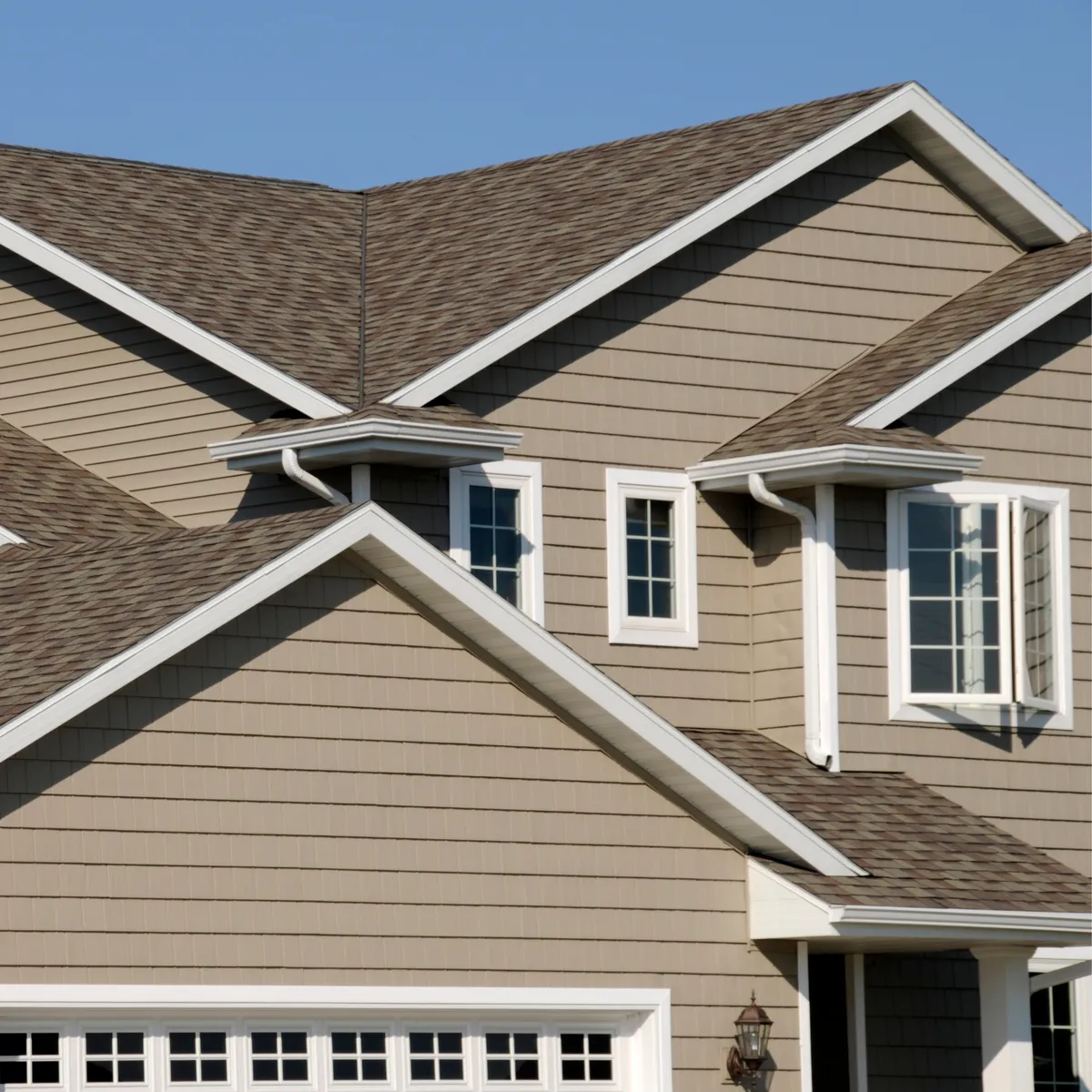
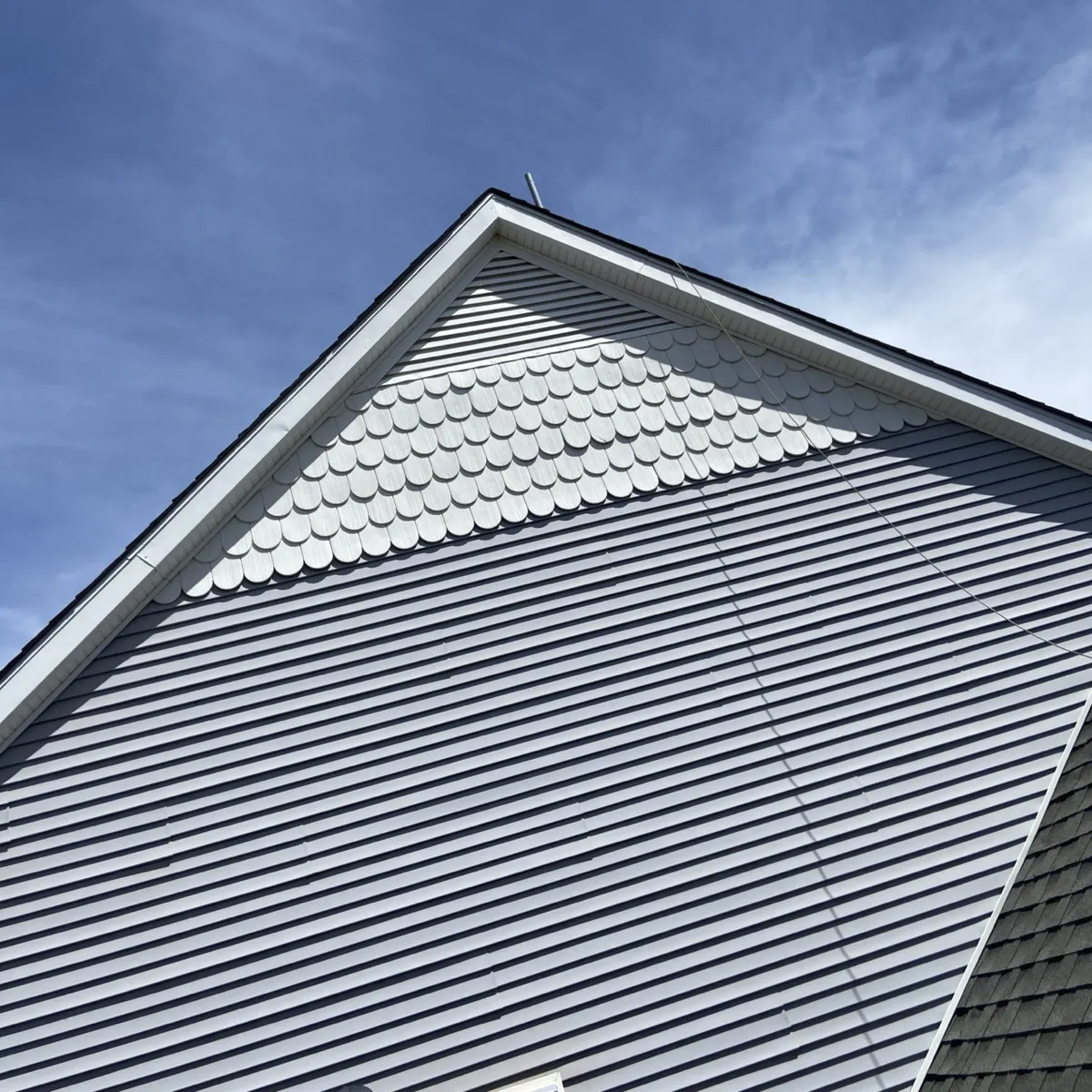
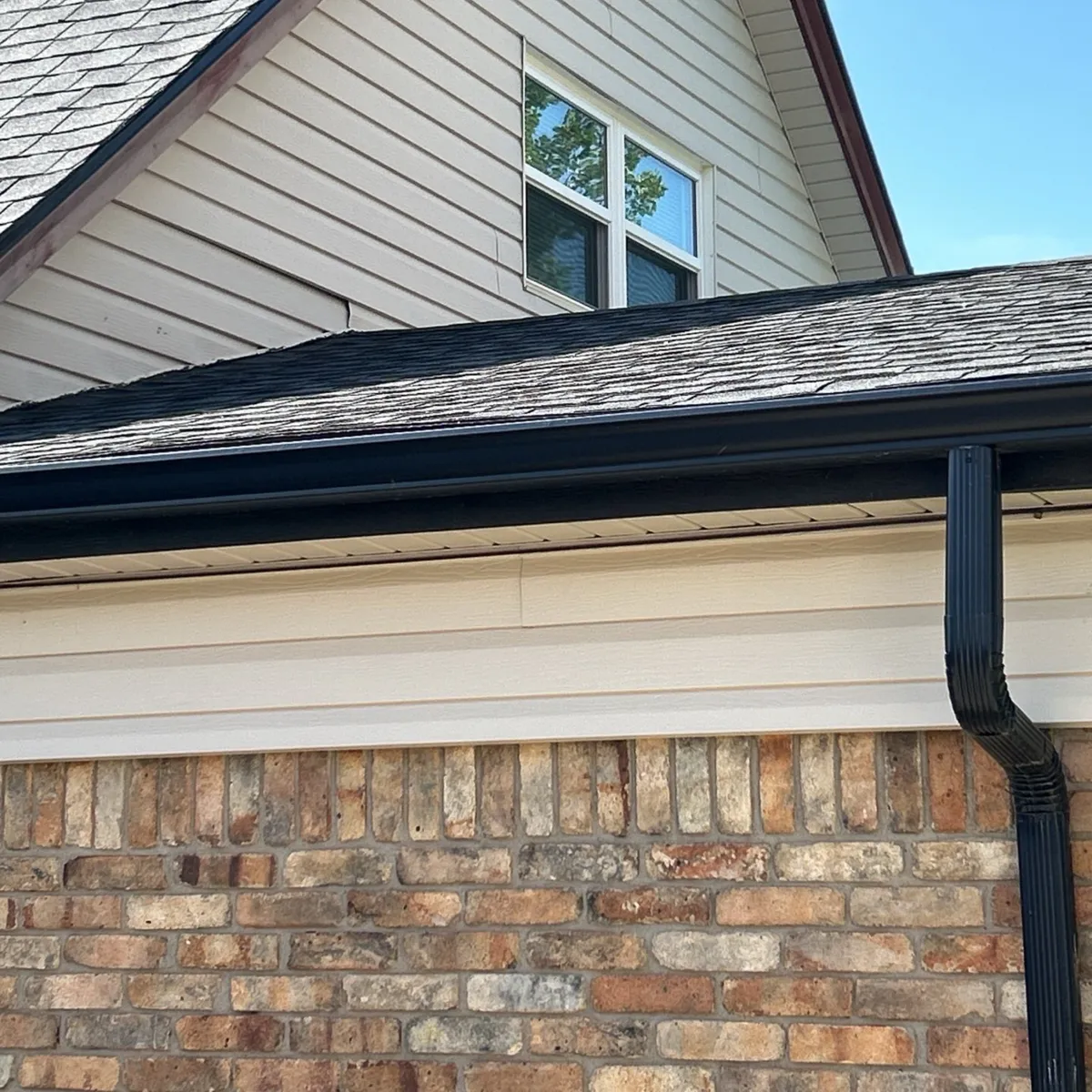
Real siding projects completed for Oklahoma homeowners.
Useful project proof should show the home, original condition, approved product, transition details, and completed result.
What homeowners say about the siding-project experience.
A successful siding project should improve the home's protection and appearance. The homeowner should also feel informed, prepared, respected, and confident throughout the process.
Siding installation and replacement for the Greater Oklahoma City Metro.
8:12 Roofing & Exteriors serves homeowners in Oklahoma City and surrounding metro communities, including Edmond, Norman, Moore, Yukon, Mustang, Midwest City, and Del City.
Siding-service availability may vary by project type, product, scope, property, location, product availability, lead time, and scheduling.
Questions About Siding
Does 8:12 install siding in Oklahoma City?
Yes. 8:12 Roofing & Exteriors provides residential siding projects in Oklahoma City and surrounding metro communities, including Edmond, Norman, Moore, Yukon, Mustang, Midwest City, Del City, and many more. Click here to see our full service area.
Product availability and project scope depend on the property, selected system, location, and current offering.
Does 8:12 replace siding?
Yes. Siding replacement may include approved removal, new siding, trim, accessories, and related items identified in the written scope.
Does 8:12 repair siding?
Approved siding repair may be available when damage is isolated, compatible material is available, surrounding siding remains serviceable, and the condition can be corrected responsibly. Repair availability depends on the existing material, damage, matching, access, and scope.
What types of siding does 8:12 offer?
Current offerings may include vinyl siding, fiber-cement siding, and approved accent or specialty products.
How do I know whether my siding should be repaired or replaced?
Repair may make sense when damage is isolated and matching material is available. Replacement may deserve consideration when damage is widespread, existing siding is brittle, matching is impossible, repairs repeatedly fail, installation concerns affect several areas, or a broader appearance change is desired.
Can damaged siding be matched?
Sometimes. Matching depends on the manufacturer, product, profile, exposure, texture, color, age, fading, availability, and whether the existing material can be handled safely. Even the same product color may look different beside weathered siding.
Can I replace only one wall of siding?
Possibly. A selected-wall project may make sense when damage is limited, transitions can be handled cleanly, product compatibility is acceptable, other walls remain serviceable, and the homeowner understands visible differences.
What causes siding to warp or buckle?
Possible causes may include improper fastening, insufficient movement allowance, heat exposure, product installation, wall movement, previous repairs, or other underlying conditions. The visible condition should be reviewed before assigning a cause.
Does a water stain mean the siding is leaking?
Not automatically. Water near an exterior wall may involve roofing, flashing, windows, doors, gutters, trim, sealants, utility penetrations, siding, wall materials, condensation, or another source. The visible stain does not always identify the entry point.
Is vinyl siding maintenance-free?
No exterior product should be described as completely maintenance-free. Vinyl siding may reduce routine painting requirements, but it still needs normal inspection, cleaning, and repair when damaged.
Does fiber-cement siding require maintenance?
Maintenance depends on the exact product, finish, installation, exposure, and manufacturer requirements. Some products may require periodic cleaning, inspection, caulking, or repainting.
Can new siding improve energy efficiency?
Siding and approved wall-system improvements may affect exterior performance, but results vary based on the product, insulation, existing wall construction, openings, air sealing, installation, HVAC equipment, weather, and homeowner use. We do not promise a specific utility-bill reduction.
Can 8:12 add insulation during a siding project?
Insulation or backing options may be available depending on the product, existing wall conditions, approved scope, manufacturer requirements, and project goals.
Does siding need a weather barrier behind it?
Requirements depend on existing construction, product, removal scope, applicable code, manufacturer instructions, and exposed wall conditions. The written scope will explain what water-resistive materials are included.
What happens if damaged wall material is found?
Some wall conditions remain concealed until existing siding is removed. If damage is found, it will be documented, explained, priced when additional work is required, and approved before additional work proceeds.
Can siding be installed over existing siding?
This depends on the existing material, condition, wall flatness, manufacturer instructions, code, moisture concerns, trim/opening details, and approved installation method.
Can 8:12 coordinate siding with windows or doors?
Yes. Coordinating related projects can help manage flashing, trim, openings, project sequence, material transitions, and final appearance.
Can 8:12 coordinate siding with roofing?
Yes. Roof-to-wall details, flashing, dormers, sidewalls, and project sequence may make coordination important.
Can 8:12 coordinate siding with gutters, soffit, or fascia?
Yes, when those items are included in the approved scope. The agreement should clearly identify each component and responsibility.
Can hail damage siding?
Yes. Hail may crack, chip, dent, puncture, or mark certain siding products. The effect depends on material, storm conditions, age, exposure, impact location, and product construction. One damaged area does not automatically prove full replacement is required.
Can wind damage siding?
Yes. Wind may loosen, move, bend, crack, or remove siding and trim.
Can 8:12 evaluate storm damage to siding and roofing?
Yes. A Free, No-Obligation Forensic Roof Assessment can include visible roofing and exterior areas the homeowner wants evaluated. You decide whether to file a claim; the insurance carrier determines coverage.
Will insurance pay for siding replacement?
Coverage depends on the policy, cause of loss, carrier investigation, scope, and claim decision. 8:12 can document visible construction conditions and explain the proposed work. The insurance carrier determines coverage and payment.
Can insurance matching rules require full replacement?
Coverage and matching treatment depend on the policy, applicable law, carrier interpretation, product availability, damage, and claim facts. 8:12 can explain material availability and construction considerations. Homeowners should ask their carrier about policy coverage. We do not promise that matching concerns guarantee full replacement.
How long does a siding project take?
Timing depends on measurements, project size, product, color, material availability, lead time, property access, weather, related roofing or exterior work, concealed conditions, and scheduling. The expected project window will be explained after the scope and products are confirmed.
Do I need to be home?
Not always. The project team should coordinate access, gates, pets, vehicles, landscaping, cameras, alarm components, interior-wall concerns, and the final review before scheduling.
Does 8:12 offer financing?
Yes. Financing may be available for qualified siding, roofing, window, door, gutter, and combined exterior projects. Approval, rates, and terms are determined by the lender.
What warranty applies to siding?
Product and installation warranty terms vary by product, manufacturer, scope, existing conditions, and written agreement. The applicable warranty information will be explained before project approval. The roofing 7-Year Workmanship Warranty should not be assumed to apply to siding.
What should I do when I am not sure whether I need repair or replacement?
Call, text, or request Siding Project Help. Tell us what you are seeing and what you want to improve. When roofing or storm concerns are also involved, request a Free, No-Obligation Forensic Roof Assessment.
Start with the wall, the goal, and a clear exterior plan.
You do not need to choose a siding material or color before understanding the existing condition, project requirements, and reasonable options.
Tell us what you are seeing. Tell us what you want the home to look like and do better. We will help evaluate the siding, explain the choices, and manage the approved project through final review.
Your peace of mind is our product. Clear choices. Clear scope. No pressure.
Oklahoma City-based. Veteran operated. Licensed and insured in Oklahoma.

Services
This is a Paragraph Font
This is a Paragraph Font
Company
This is a Paragraph Font
This is a Paragraph Font
Contact
101 Park Avenue, Suite 1300 (#13434), Oklahoma City, Oklahoma, 73102
CIB REG: 80007114


© 2026 8:12 Roofing & Exteriors. All rights reserved.





Oklahoma City-based. Veteran operated. Licensed and insured in Oklahoma.
Services
Company
Contact
101 Park Avenue, Suite 1300 (#13434), Oklahoma City, Oklahoma, 73102
CIB REG: 80007114
© 2026 8:12 Roofing & Exteriors. All rights reserved.